

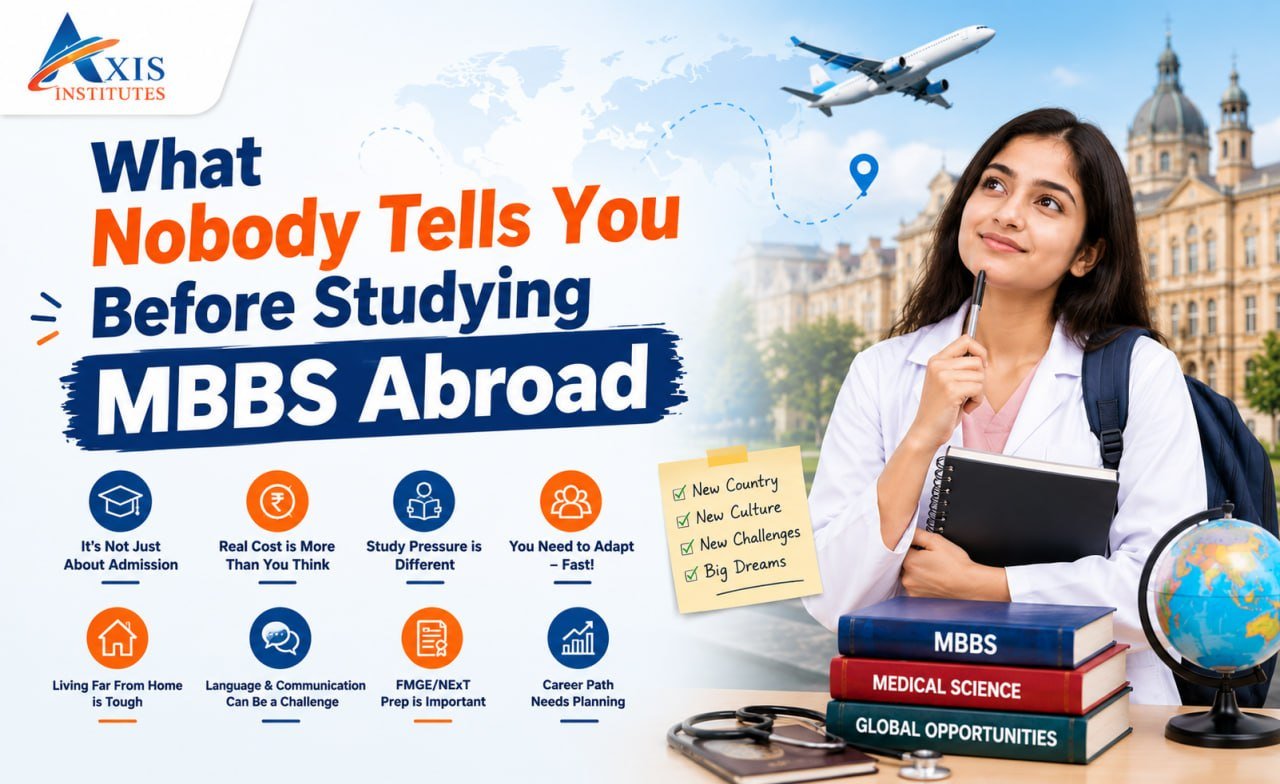
What Nobody Tells You Before Studying MBBS Abroad
Every year, thousands of students in India start dreaming about a career in medicine, and a good number of them eventually look beyond national borders to make that dream real. The brochures make it look simple. Apply, get admitted, pack your bags, and you’re a doctor in the making. Reality, as most students discover only after landing in a new country, works a little differently.
The Admission Process Isn’t the Hard Part
Getting into a university abroad is often the easiest step in the entire journey. Universities in countries like Uzbekistan, for instance, have straightforward eligibility criteria and don’t require entrance exams the way private colleges in India do. What students rarely prepare for is everything that comes after admission, adjusting to a new academic system, a different teaching language for parts of the coursework, and a curriculum that expects independent study far earlier than most Indian students are used to.
Choosing where to study matters just as much as deciding to study at all. Universities differ in faculty experience, clinical exposure, hostel facilities, and how seriously they take NMC compliance. Students who skip this research often end up transferring mid-course, losing both time and money.
Recognition Isn’t Automatic
Here’s something that catches families off guard almost every single time. A medical degree from abroad doesn’t automatically qualify a student to practise in India. Graduates need to clear the Foreign Medical Graduate Examination, now streamlined under NExT, before they can register with the National Medical Commission. This isn’t a footnote buried in fine print, it’s a central part of planning the entire journey, and it should shape decisions from day one rather than becoming a scramble in the final year.
Cost of living stacks up differently
When students first start their research, tuition fees are the main focus, but once settled in, they are often surprised to find that living costs, travel and other unexpected costs add up. The real cost of an MBBS Abroad is made up of currency fluctuations, hostel deposits, food and local transport and these numbers seldom match with the neat estimates given during counselling calls back home.
Weather and culture adjustment are also more important than most students expect. Homesickness is real, and it’s a whole new level of homesickness when you’re also dealing with a heavy academic workload. Those who establish a support system early, be it through seniors, local student groups or regular contact with family, usually settle in far more smoothly than those who try to power through on their own.
Why Guidance Makes a Genuine Difference
And this is where good counselling can make a difference. Axis Institutes, based in Rohini, Delhi, helps on how to choose the right university, the NMC screening requirements and how to prepare for life in a new country for years. Their tie-ups with Tashkent State Medical University and Samarkand State Medical University in Uzbekistan also help students get admission in institutions that have a good academic reputation and a proven track record for Indian students in particular.
Parents often carry as much anxiety as the students themselves, and rightly so. Sending a child abroad for five or six years is a significant decision, financially and emotionally. Having a consultancy that explains each stage clearly, from application to hostel arrangements to eventual licensing exams back home, takes away much of that uncertainty.
Making an Informed Choice
Deciding to Study MBBS Abroad is rarely a decision made overnight, and it shouldn’t be. It requires understanding the complete picture, not just the admission process but everything that follows it, the academics, the licensing pathway and the years of adjustment in between. Students and parents who enter the process with realistic expectations and experienced professionals to guide them usually experience far less stress throughout the process.
Having helped students through this very process for the past 13 years, Axis Institutes continues to help families make confident, informed decisions about medical education abroad, one honest conversation at a time.